Spend a few afternoons walking Orlando neighborhoods and you will spot a pattern. Bungalows and ranches that once leaned mid-century now wear crisp white siding, stained cedar accents, matte black lighting, and generous porches. Inside, kitchens open to family rooms, shiplap backs a TV nook, and natural oak softens the Florida sun. Modern farmhouse has taken root in Central Florida, but it plays by different rules than it does in Texas Hill Country or the Carolinas. Our climate, our light, and the way we live change the formula. Done well, it feels warm and relaxed, never theme-park rustic. Done poorly, it slides into clichés and humidity headaches.
I have watched the style evolve across dozens of projects, from Lake Conway cottages to Winter Park tear-downs rebuilt on existing footprints. What wins in this region is a thoughtful blend of clean lines, durable materials, and textures that hold up to heat, moisture, and family traffic. This guide digs into how modern farmhouse translates for home renovation Orlando projects, where to splurge, where not to, and how to work with an Orlando renovation company or a licensed home renovator Orlando residents trust.
Why modern farmhouse works in Central Florida light
Orlando’s light is bright and long. We get strong sun most of the year, ambient brightness even on overcast afternoons, and high UV that can bleach cheap finishes in a single season. Modern farmhouse, with its pale walls, natural wood, and black contrast, uses that light rather than fighting it. White ceilings bounce brightness deep into a room. Rift-sawn oak floors and beams take the glare down a notch. Iron and oil-rubbed bronze deliver contrast that anchors wide-open spaces.
When clients consider an Orlando home renovation, they often arrive wanting “cozy but clean.” That is exactly the balance modern farmhouse offers when adjusted for humidity. The trim is simplified, profiles are slimmer, and fabrics breathe. The character comes from proportion, patina, and joinery, not just from piling on barn doors and word art.
The climate test: materials that cope with heat and humidity
The most common mistake I see in home remodeling Orlando projects that chase a farmhouse look is importing materials that cannot handle our moisture. Pine shiplap, for instance, moves dramatically across seasons unless it is kiln-dried and acclimated for weeks. Unsealed matte black hardware corrodes. Solid wood countertops swell at sink runs. Those headaches are preventable.
The Orlando home remodeling version of farmhouse emphasizes movement-friendly materials and smart finishes:
- Use engineered wood flooring with a high-quality wear layer, or site-finished white oak with a penetrating oil. Engineered planks resist cupping in summer humidity. If you prefer tile, choose a rectified porcelain in a white oak pattern to keep the farmhouse grain without moisture worries. For accent walls, consider MDF shiplap with a moisture-resistant primer, or fiber-cement nickel gap in areas exposed to temperature swings. Both stay crisp in our climate. On exteriors, fiber-cement siding with a factory finish will outlast softwood and needs repainting less often. Pair with cedar accents only where they are protected and back-sealed. In bathrooms and laundry rooms, quartz counters, porcelain tile, and solid-surface shower walls take the look of stone and wood without the maintenance.
I have ripped out swollen pine beadboard from more than one bathroom where a national Pinterest board seemed to steer the design. In Orlando, that same look can be achieved with wood-look porcelain and a moisture-tolerant wainscot trim profile. The point is not to give up warmth. The point is to choose the long-wearing version.
Floor plans: opening without overexposing
Modern farmhouse loves open sight lines, but in a region with big sun and sudden storms, fully open spaces can be tricky. For whole home renovation Orlando projects in older block homes, we often remove a few targeted walls to connect kitchen, dining, and family rooms, then reintroduce rhythm with ceiling treatments and cased openings. A four-inch drop beam wrapped in oak marks a transition without closing anything off. A coffer with simple MDF beams lays subtle structure over a large living area. This is how you get the airiness clients want while protecting acoustics and zoning HVAC efficiently.
Families here tend to carry a lot of outdoor gear. Mudrooms make sense in Orlando even without snow boots. A bench, cubbies for pool towels and sunscreen, a tile floor that laughs at wet flip-flops, and a secondary fridge nearby, all of that belongs in a farmhouse plan that serves daily life. If you are working with a home remodeling contractor Orlando homeowners rely on, push for a workable drop zone even in small footprints. Two lockers, a bench cushion in Sunbrella fabric, and a charging drawer for devices tame a lot of daily mess.
Kitchens: the heart that sells the house
Kitchen renovation Orlando projects are where modern farmhouse pays off fastest. In resale data I track informally with partners across Orange and Seminole counties, clean, functional farmhouse kitchens consistently top buyer wish lists. You do not need every trend to succeed. You do need practical decisions that make cooking and gathering easy.
Cabinetry often lands at a crisp white perimeter with a natural or stained oak island. White on the walls feels right here because we get so much daylight. If you prefer color, commit. Dusty green, deep navy, or a muted mushroom works on the island, not all at once. Shaker doors are common, yet I like a slimmer 2.5-inch stile over the standard 3-inch to modernize the look. Skip arched panels. For hardware, matte black or unlacquered brass both work in Orlando, but guard against corrosion. Choose powder-coated or PVD-finished pulls and knobs rated for coastal or humid environments.
Ventilation matters more than the internet admits. Fry fish on a rainy afternoon and you will know. An underperforming hood in an open plan ruins the farmhouse romance. I specify at least 600 CFM for a standard 36-inch range, bumped to 900 CFM for 48 inches, with make-up air planned if the home is very tight. Hide the blower in a wood-clad hood with a gentle pitch that nods to farmhouse without turning into a chimney costume. If you prefer a cleaner line, a plastered hood painted to match the walls disappears, letting the tile and counters speak.
As for surfaces, quartz with light veining reads timeless and takes heat fluctuations better than many white marbles in busy homes. If you love the honesty of natural stone, use it on a secondary surface like a baking station. Oak butcher block works as a bar top away from the sink. Farm sinks look right in this style and you can choose from fireclay, stainless, or composite granite. In Orlando’s hard water areas, fireclay cleans easily, while stainless hides water marks. I place disposal air switches at the deck to avoid drilling through apron fronts.
Tile backsplash decisions deserve patience. Full-height slabs feel modern, subway tile feels classic, and a hand-glazed 3 by 8 marries the two. Avoid high-relief tiles behind the range unless you enjoy scrubbing oil from crevices. If you want shiplap in the kitchen, keep it away from the cooktop and back it with moisture-resistant board.
Lighting completes the room. Use three layers. Recessed lights for task, island pendants for presence, and under-cabinet LEDs for night and prep. Two larger pendants, 10 to 14 inches diameter, typically hold scale in an Orlando ranch kitchen with eight or nine-foot ceilings. With vaulted spaces, scale up. The farmhouse look falls flat when fixtures are undersized.
Bathrooms: rustic restraint with Florida-proof details
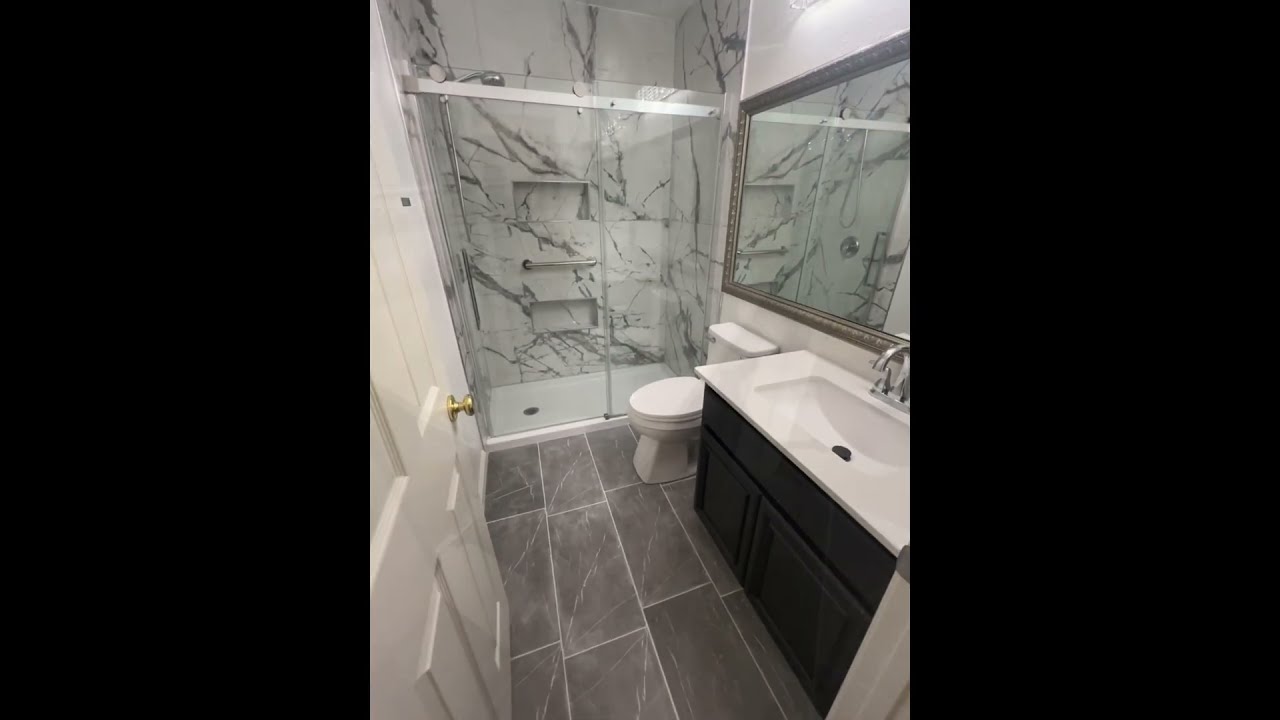
Bathroom renovation Orlando work benefits from restraint. Too much rough wood reads contrived against a porcelain tub. The sweet spot is a simple vanity in white or oak, a black-framed shower enclosure, and organic textures that can handle steam. I like zellige-look porcelain in the shower to get the handcrafted vibe without maintenance headaches. If you want real zellige, use it in a powder bath or niche where it avoids constant soaking.
Frameless glass still rules most primaries. For farmhouse personality, a grid-style black frame in a large walk-in can look great, but use a powder-coated marine-grade finish and squeegee daily to avoid mineral buildup. For floors, 8 by 8 encaustic patterns bring romance, yet they can be slippery and high-maintenance. Porcelain versions with textured faces offer better traction. Heated floors are not a Florida must-have, but they dry surfaces faster and curb humidity. We install them more frequently in Winter Garden and Lake Nona new builds than a decade ago.
Vanity decisions are where sense meets style. Vessel sinks look artful, but they splash and date quickly. An undermount paired with a durable quartz top has the weight of farmhouse and the ease of modern. Wall sconces at eye level beat overhead bars for shaving and makeup. Choose LED with good color rendering and warm temperature, 2700 to 3000K, to flatter skin and wood tones.
The exterior: curb appeal that rides out a summer storm
Exterior home renovation Orlando projects that aim for modern farmhouse usually start with siding, windows, and the porch. Board-and-batten pairs well with lap siding, but do not overdo the pattern mix. One field and one accent keeps the façade calm. Factory-finished fiber-cement saves years of repainting in our UV and rain cycles. If you keep existing stucco, you can still hit the vibe. Smooth the texture where possible, add vertical trim boards to suggest batten spacing, and use a porch beam in stained cedar beneath a metal accent roof.
Metal roofs look right in this style and they sound like a Florida storm in the best way, but they must be specified correctly. Galvalume or aluminum panels with Kynar coatings hold color and resist salt and humidity inland and coastal alike. Expect a premium over asphalt shingle. If budget rules out full metal, use a standing-seam accent over the porch and garage to nod to the https://telegra.ph/Permitting-101-Orlando-Home-Renovation-Contractor-Advice-03-28 style while keeping most of the roof in dimensional shingles that match HOA norms.
Windows with divided-lite grids pull the farmhouse line through the exterior, yet energy codes and heat argue for low-E, impact-rated units in many neighborhoods. I choose simulated divided lites with spacer bars to maintain the shadow line. Black exterior frames are popular, but remember they absorb heat. In west-facing elevations, they can run hot to the touch. That is not a defect, just a factor to discuss with your general contractor Orlando residents often hire for code-savvy advice. Pair the windows with generous eaves to protect openings and shade walls.
A real porch, even modest, changes daily life. A five- to six-foot depth allows rocking chairs. If space is tight, a three-foot overhang with beefy brackets and a tongue and groove ceiling still creates shadow, movement, and welcome. Use composite decking or porcelain pavers over a concrete slab for longevity. Stain cedar sparingly and recoat on schedule. Florida sun will gray it quickly if you delay, which can be beautiful if you accept the patina.
Color and texture: not all whites are equal
Paint stores are a minefield when you chase white. In Orlando light, many common whites go blue. I test large samples on multiple walls and look at them at noon and at dusk. Warm whites with a hint of cream or greige keep rooms from feeling sterile. Trims can match in a higher sheen or step down one half-tone for subtle contrast. Black accents should be soft, not ink-jet. Charcoal, bronze, or off-black creates depth without looking plastic.
Texture separates modern farmhouse from a sterile spec house. A smooth drywall finish serves contemporary farms, yet most Orlando renovations stop at a level 4 skim and light orange peel for cost reasons. Add tactile interest with a limewash fireplace, oiled oak shelves, or a plastered hood. Do not layer all of them. Two honest textures, repeated, beat five gimmicks.
Budgeting and smart phasing with Orlando crews
When homeowners search home renovation near me Orlando and start interviewing teams, they often ask where to invest first. Kitchens and primary baths still return the highest emotional and financial value. Flooring that runs through the main spaces is next. If the budget tightens, pause before you compromise windows and HVAC. Comfort and utility pay back every day. Lighting can be upgraded in phases. Shiplap can wait. Decorative beams can be added after drywall.
Working with an Orlando home renovation contractor who knows our permitting timelines matters. In Orange County, plan 4 to 10 weeks for permits on a moderate interior renovation, more if structural changes trigger full plan review. Exterior changes in historic districts such as some pockets of College Park or Thornton Park may involve additional board approvals. A seasoned Orlando remodeling company will help stage demolition and rough-in work to meet inspections without dragging your schedule through our summer storm pattern. Electrical inspections often bounce if arc-fault and tamper-resistant devices are not properly documented. Tile inspections bounce for missing expansion joints at transitions. The little local gotchas are where local home renovators Orlando homeowners recommend tend to shine.
I have also found value in weather-aware scheduling. Tile installers and painters get better results when we manage humidity windows. Portable dehumidifiers on-site keep wood and joint compound happy. If your crew treats this as overkill, keep interviewing. The best Orlando renovation experts bake climate into their process.
Avoiding theme park: the line between authentic and staged
A farmhouse is not a museum of antique tools. It is a place built for work and rest. In residential renovation Orlando projects, the style looks forced when the palette gets literal. You can appreciate a barn door, but do you need three of them? Probably not. One excellent sliding door, in rift oak with black strap hardware and soft-close tracks, serves beautifully between a den and a hall. It becomes a feature, not a running gag.
Similarly, shiplap has a role, but not on every vertical surface. Use it to structure a fireplace wall or to frame a breakfast nook bench. Leave the rest smooth and let art and millwork lead. If you love open shelving, commit to one run near the range hood and keep the rest closed. Dust is real, and so is Florida pollen. Clients who entertain often swear they will curate shelves weekly. Most do not. Glass fronts on a few uppers give the openness without the upkeep.
Sustainability that fits the style
Modern farmhouse has roots in utility and repair. That spirit aligns with smart sustainability moves. On whole home renovation Orlando projects, I push for energy upgrades that do not advertise themselves but make the house quieter and cheaper to run. Foam or dense-pack cellulose in attics, sealed ducts, variable-speed HVAC, and ERV ventilation for tight envelopes, all of it pays dividends in our humidity. If you consider solar, design the rooflines with south and west faces that host panels without making the façade lopsided. Matte-black solar frames can even echo the farmhouse contrasts.
Inside, refinish original oak floors where they exist rather than ripping them out. Salvage solid-core doors, strip and rehang with new hardware. Antique a reclaimed beam for a mantel, but confirm it is kiln-dried and treated for pests before it enters the house. Orlando’s subterranean termites will not admire your patina. They will eat it.
Real project snapshots from around Orlando
A Conway chain-of-lakes cottage, 1963 block, started with low ceilings and boxed-in rooms. We removed two walls to open a path from entry to water view, then matched the new beam wraps to a rift oak island. Perimeter cabinets went warm white, walls in a soft cream with a touch of gray, and the hood a plastered trapezoid that quietly centered the room. The owners wanted open shelves, so we limited them to two four-foot runs near a window and placed a concealed coffee station behind pocketed cabinet doors. Quartz counters handled the daily smoothies. Outside, we swapped rough stucco for smooth and introduced vertical trim boards to suggest board-and-batten without re-siding. The house feels like a lake farmhouse now, without pretending it was ever a barn.
In Baldwin Park, a townhome called for a lighter touch. HOA rules kept the exterior unchanged. Inside, we leaned on color and texture: mushroom-painted Shaker cabinets, brass pulls with a PVD finish, a thin oak waterfall leg at the peninsula, and a square black-framed mirror with articulating sconces in the powder room. The project stayed within the envelope and respected the structure, a reminder that Orlando home renovation can carry a style through details even when the shell sets limits.
A Winter Garden new build needed help reading less spec and more soul. We focused on the foyer and great room. Simple applied molding created a grid wainscot that echoed farmhouse trim without looking busy. The fireplace received a limestone-look surround and an oiled oak mantel. We replaced shiny chrome with aged brass and black, then swapped glossy tile for a honed porcelain with a soft vein. What changed most was the feeling. The house went from bright and anonymous to bright and grounded.
Working with a contractor who understands the look and the logistics
The right partner makes this style sing. Interview a home remodeling contractor Orlando neighbors vouch for, someone comfortable blending market taste with practical Florida details. Ask to walk a past project, not just a glossy photo set. Look at how casing meets baseboards. Open cabinet doors and check for soft-close and full-extension glides. Ask how they handle moisture control during drywall and millwork installation.
Communication counts. A strong Orlando home renovation contractor will provide a finish schedule that nails down sheens and color codes early. They will flag long-lead items: windows, custom hoods, specialty tile. Lead times swing wildly. I have seen handmade tile take anywhere from four to twelve weeks. Appliances can sit in limbo, then land on-site unannounced. Your contractor should herd these cats while protecting your floors and sanity.
If you plan a phased approach for affordable home renovation Orlando budgets, align each phase to minimize rework. For instance, run flooring when you renovate the kitchen even if the hallway bath waits a year. Prewire for future sconces and under-cabinet lighting before you close walls. If you are hiring a general contractor Orlando residents rate highly, they will anticipate these moves and build them into the plan even when scope is smaller.
Where to splurge, where to save
Spend on what you touch and what you cannot easily change. Solid-feeling doors, good hinges and latches, drawers that glide, and lighting you love. A handmade tile on a small bar wall gives more delight per dollar than an expensive tile across a full kitchen. Save on decorative beams by using stained box beams instead of solid timbers. Choose quartz that mimics marble instead of porous stone in a busy kitchen. Keep appliances at reliable mid-tier with a powerful hood, then allocate the difference to windows with better coatings and frames that will not fade.
For exterior upgrades, invest in porches and shade structures before you buy every trend. An $8,000 to $15,000 porch enhancement that extends living area works hard 10 months a year here. A pair of cedar brackets does not.
A short planning checklist to keep farmhouse honest
- Define your farmhouse vocabulary in five elements, then stick to it: for example, white walls, oak accents, black hardware, plaster hood, grid windows. Test whites in your actual light, on at least two walls, at two times of day. Choose moisture-tolerant stand-ins for classic materials where steam or splash is constant. Right-size lighting and ventilation, especially in open kitchens with high ceilings. Phase work to reduce rework, and pick a contractor who bakes humidity control into their schedule.
The lived-in finish line
Modern farmhouse in Orlando is not cosplay for a place with winters we do not have. It is a language for light, for the way families move between pool and kitchen, porch and living room, lake and back to the pantry for snacks. It respects what our climate allows and it edits what it does not. The best projects I have been part of do not announce a theme when you walk in. They feel calm, bright, durable, and personal. The oak rail under your hand is smooth. The hood draws quietly. The porch catches an evening breeze. The style recedes, the living advances.
If you are interviewing an Orlando remodeling company or scouting home renovation services Orlando offers, bring photos, but bring your habits and hopes too. Tell them how you cook, where your dog sleeps, whether you host game nights, how often you open windows, and what you want to see from the sofa. A good design and build team will translate those answers into a farmhouse that belongs in Central Florida, not a set borrowed from somewhere else. And years from now, after more thunderstorms and more holidays than you can count, it will still feel like home.